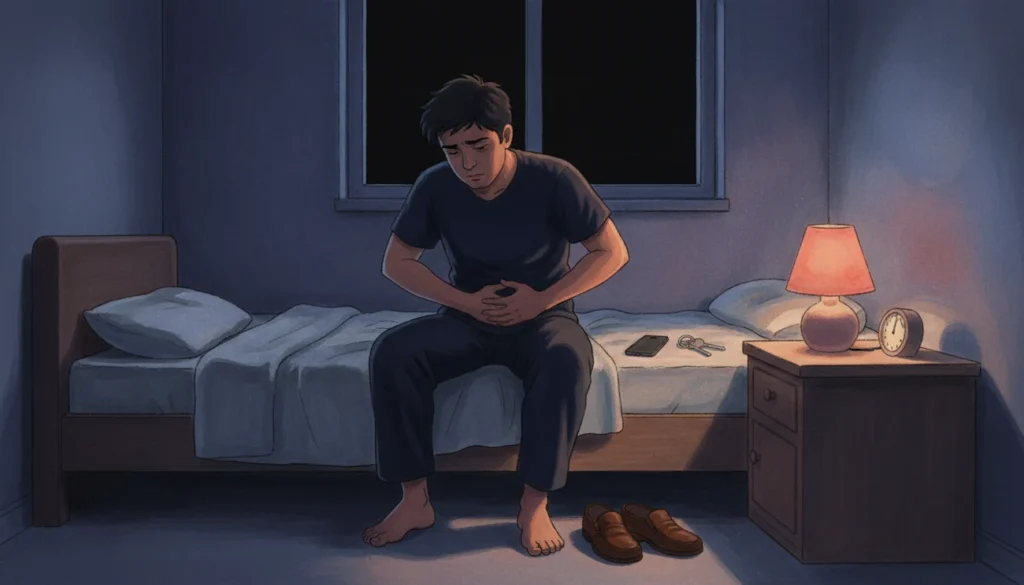
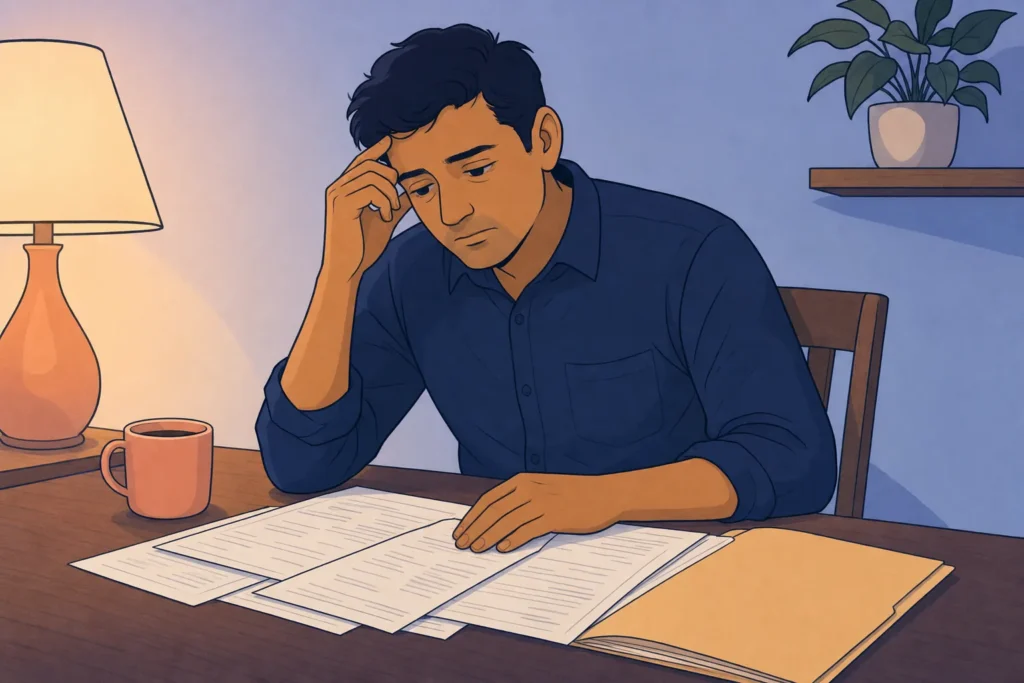
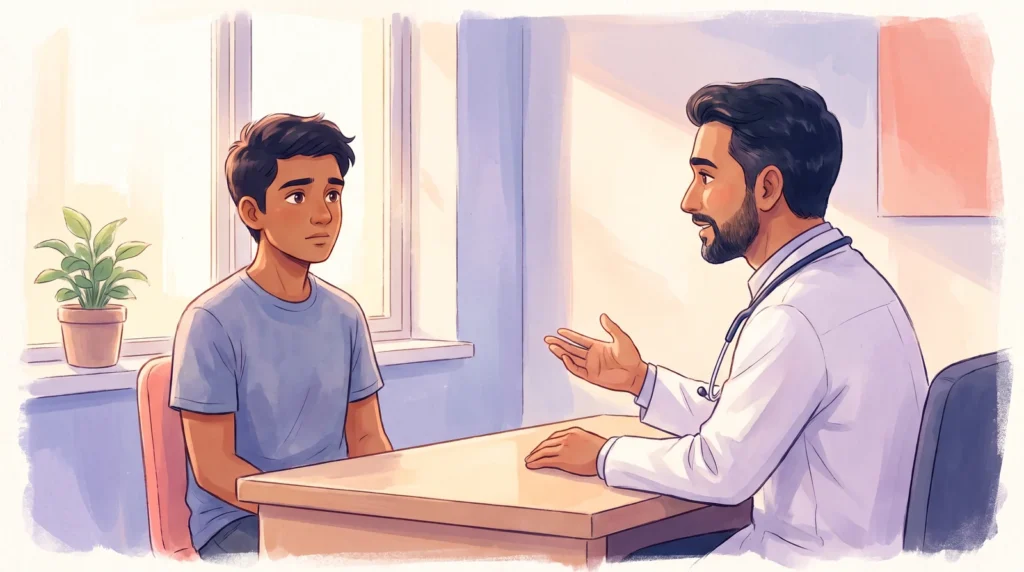
Does Masturbation before sex increase sex time?

Men’s Health Blogs Does Masturbation before sex ? increase sex time ? Introduction This discussion explores a common question: Can masturbation before sex increase sex time? We’re particularly interested in whether this practice can treat premature ejaculation, a relevant issue for over 40% of men. Premature Ejaculation: A Widespread Issue Premature ejaculation affects about 40% of men at some point in life. It involves ejaculating within a minute, often leading to stress and strained relationships. The Impact of Premature Ejaculation Men with this condition often endure ongoing emotional and psychological stress. It affects not just sexual health but mental well-being and relationships too. Their partners may feel dissatisfied, adding tension to relationships. This dissatisfaction can lead to avoidance of sexual activities, worsening the problem. Dr. Shah Dupesh Consultant Andrologist & Sexologist Ready to improve your Reproductive Health? Discuss your concerns in a private setting and get personalized guidance tailored to your needs. Book a Call Book a Call Does masturbation before sex increase sex time? This approach suggests that ejaculating beforehand might reduce arousal and penis sensitivity during sex, potentially delaying ejaculation. However, its effectiveness varies based on individual factors like psychological state and health. Considerations and Cautions Relying too much on this method might cause psychological dependence on masturbation. This can lead to excessive masturbation without a limit. Ultimately leading to masturbation addiction. Remember, it’s one of many options and doesn’t replace medical advice. Men with ongoing issues should seek professional help. Practical Application Try masturbating and ejaculating either the day before or the morning of planned intercourse. The aim is to reduce, not eliminate, desire and sensitivity. Balance is key, and discussing this method with your partner is crucial for mutual understanding and support. Subscribe to our Newsletter Can masturbation before sex treat premature ejaculation? So, we briefly answered the question ‘can masturbation before sex increase sex time’. However, can masturbation before sex treat premature ejaculation? The answer depends on the extent and severity of the disease condition. Some patients respond and notice an improvement in ejaculation time. However, some patients notice persistent early ejaculation. Its best to consult a sexologist for the right treatment advice. Conclusion Treating premature ejaculation involves a comprehensive approach. Masturbating before sex is one option, but combining it with therapy, pelvic exercises, or specialist consultations often works better. A tailored approach is always best. References Subjectively Measured Ejaculation Latency Time and Its Association with Different Sexual Activities While Controlling for Age and Relationship Length | The Journal of Sexual Medicine | Oxford Academic (oup.com) The Role of Masturbation in Marital and Sexual Satisfaction: A Comparative Study of Female Masturbators and Nonmasturbators: Journal of Sex Education and Therapy: Vol 17, No 4 (tandfonline.com) Related Blogs Recent Blogs Having more doubts? Consult with our doctor Consult with Dr. Shah Leave Your Comment Cancel Reply Logged in as Dr Shah Dupesh. Log out? Δ
Does Masturbation Reduce Testosterone?

Does masturbation reduce testosterone? No. An andrologist explains the evidence, the retracted NoFap study, and what actually lowers testosterone.
Low Testosterone Symptoms : 4 symptoms of low testosterone you must know

Men’s Health Blogs Low Testosterone Symptoms : 4 symptoms of low testosterone you must know Understanding the Signs: Common Symptoms of Low Testosterone In this quick blog post we are going to discuss on 4 to 5 common symptoms of low testosterone. Now remember testosterone is the male sex hormone and it has a variety of functions. Watch the video below Now when your testosterone goes low, men frequently notice a couple of symptoms. Watch the video below Demystifying Low Testosterone Symptoms As a full time practicing andrologist, & sexology doctor I’m here to provide you with an in-depth understanding of these signs and their implications. Testosterone, the primary male sex hormone, plays a pivotal role in several physiological functions. When its levels dip, men often experience specific symptoms that signal this hormonal imbalance. Let’s now delve into these symptoms to gain a comprehensive understanding. Symptom 1: Decreased Libido – Unveiling the Impact The first and foremost symptom of low testosterone is a notable decrease in libido (which is nothing but your sex drive or the damn urges you feel to mate with your better half). It’s crucial to understand how this affects individuals. Men with low testosterone may find themselves less inclined to initiate sex/sexual intercourse. Their overall desire for intimacy diminishes, leading to a decline in sexual thoughts and fewer intimate encounters. That is in general you may not approach your intimate partner for sexual intercourse. You probably will avoid intercourse and you will also not have a recurrent frequency of sexual thoughts running in your head and you will also notice that your overall desire This reduced libido can have a significant impact on both personal relationships and overall quality of your sexual life. So that’s one of the cardinal symptoms of low testosterone, sexual dis-interest. Symptom 2: Decreased Facial Hair Growth – Hair as a Hormonal Indicator Another potential symptom of low testosterone is an overall decrease in facial hair growth It’s not merely about aesthetics; the thickness and growth of facial hair are indirect indicators of your overall male sex hormone levels. Slow beard growth and a less substantial mustache are often seen clinically in men complaining of low libido & erectile dysfunction. Understanding this symptom can help individuals recognize potential hormonal imbalances and seek appropriate medical guidance, where relevant. The thickness of your hair is more important. Thick hair, thick facial hair, underarm hair, the hair in the chest region, hair in the pubic region are all markers of a man’s fertility because it indicates that the testosterone in the system is probably optimally functioning. So, that’s the second symptom of low testosterone Dr. Shah Dupesh Consultant Andrologist & Sexologist Ready to improve your Reproductive Health? Discuss your concerns in a private setting and get personalized guidance tailored to your needs. Book a Call Book a Call Symptom 3: Decrease in Organ Size – A Sensitive Issue Testosterone significantly influences penile tissue, making it a vital factor in organ size. More importantly, the penile tissue is sensitive to your testosterone levels. So if you notice that your penis size is very small, you may have low testosterone. Secondly another concerning symptom of low testosterone is a very small organ in relation to an individual’s age (you can have the organ size of a 10 year old when you are 20 years of age?! right?). This can lead to serious concerns about sexual function and your overall self-esteem. Another point to consider is the size of the testicle. A reduction in testicular size may indicate not only low testosterone but also the possibility of hypogonadotropic hypogonadism, a condition that merits further investigation. In these men, the testis is also very small and shrunk, it may indicate that your testosterone is not functioning. Put in other words, it just means that all your reproductive systems are probably shut down and they are not producing FSH and/or LH as well as testosterone, genetic causes have to be ruled out. A combination of = Small Penis size + Small Testis Size + Decreased hair growth = Definite diagnosis of Low testosterone Subscribe to our Newsletter Symptom 4: Erectile Function – A Key Indicator Erectile function is another vital aspect of men’s sexual health influenced by testosterone. Men with low testosterone may experience difficulties in achieving and sustaining erections (so these men frequently have erectile dysfunction) This can have profound implications for sexual satisfaction and overall perceived well being. Recognizing changes in erectile function is crucial for addressing potential hormonal issues and seeking timely intervention as and when required. Conclusion: Empowering Knowledge In conclusion, recognizing these symptoms of low testosterone is the first step toward addressing potential hormonal imbalances. If you or someone you know experiences any of these signs, seeking medical guidance for a comprehensive evaluation is advisable. Understanding these bodily signals and/or empowers individuals to take charge of their health and well-being. Closing Remarks: Join the Dialogue We trust that this extended exploration of the symptoms of low testosterone has provided you with valuable insights. Feel free to engage with us by liking, commenting, and subscribing to our blog. If you have questions or require further information, please don’t hesitate to leave your comments below. For personalized guidance, you can also reach out to us directly through our clinic’s contact number. Your health and well-being remain our top priority. Thank you for your attention, and we look forward to addressing your valuable comments and questions in future discussions. This is Dr. Shah, signing off for now. Welcome. References Antonio L, Wu FC, O’Neill TW, Pye SR, Ahern TB, Laurent MR, Huhtaniemi IT, Lean ME, Keevil BG, Rastrelli G, Forti G. Low free testosterone is associated with hypogonadal signs and symptoms in men with normal total testosterone. The Journal of Clinical Endocrinology & Metabolism. 2016 Jul 1;101(7):2647-57. Rastrelli G, Corona G, Maggi M. Both comorbidity burden and low testosterone can explain symptoms and signs of testosterone deficiency in men consulting for sexual dysfunction. Asian journal of andrology. 2020 May;22(3):265. Related Blogs Recent Blogs
Does Penis Size Matter to Get Pregnant?

Does penis size matter to get pregnant — a hopeful young Indian couple optimistic about starting a family Does penis size matter to get pregnant? No — penis size has essentially no bearing on natural conception. What gets a woman pregnant is depositing semen near the cervix during her fertile window, and a penis of almost any size can do that. Your sperm count and motility matter far more than your size. I want to say this clearly before we go any further, because I know it is the question keeping you awake: in over a decade of andrology practice in Chennai, I have never once told a man he could not father a child because his penis was “too small.” Not once. The anxiety is incredibly common — and almost always misplaced. Let me walk you through exactly why, the way I would across the desk in my clinic, and then I will be honest with you about the rare situations where penile anatomy genuinely does come into play (and how every one of those is treatable). Quick facts Sperm reach the cervix and even the fallopian tubes within minutes of ejaculation — regardless of position or penile size. Particles placed at the top of the vagina have reached the tubes in as little as two minutes (ASRM, 2022). There is no evidence that coital position affects the chance of pregnancy. Sperm appear in the cervical canal within seconds of ejaculation (ASRM, 2022). The much-quoted 2021 “penis size and infertility” study found a difference of only ~1.1 cm — and the authors themselves said it does not mean smaller-penis men are infertile (Slade et al., 2021). Men with a micropenis can and do father children naturally when their sperm count is normal (Give Legacy, 2024). The genuine exceptions are anatomical/functional, not “size” — severe hypospadias, a buried penis, or erectile/ejaculatory dysfunction — and all are treatable (Cleveland Clinic, 2024). The short, honest answer Conception is, at its core, a delivery problem. For natural pregnancy, semen needs to be deposited high in the vagina, near the cervix, around the time an egg is released. Once it is there, the sperm take over — and they are astonishingly fast. The American Society for Reproductive Medicine notes that sperm placed at the cervix are found in the fallopian tubes within about fifteen minutes, and tracer particles put at the top of the vagina have travelled to the tubes in as little as two minutes (ASRM, 2022). Notice what is not in that equation: the length of the penis, its girth, or the position you used. As the same ASRM committee opinion states plainly, there is no evidence that coital position affects fecundability, and sperm can be found in the cervical canal seconds after ejaculation, regardless of position (ASRM, 2022). If position does not matter, length certainly does not. An average vagina at rest is only around 7-9 cm long — far shorter than most men assume — and it actively lengthens and “tents” upward during arousal, drawing the cervix down toward the pool of semen rather than the other way round. So even a well below-average penis comfortably reaches the depth that matters, and the body itself is designed to close the rest of the distance. The penis does not need to “reach” the cervix to make a baby. It only needs to deposit semen inside the vagina. Does this affect your chance of getting a woman pregnant? What the evidence says Penis length or girth No — sperm reach the cervix within seconds, whatever the size (ASRM, 2022) Having a small penis or micropenis No — men with a micropenis father children naturally when sperm is normal (Give Legacy, 2024) Deeper or harder thrusting No — depth and force make no difference (ASRM, 2022) Sperm count and motility Yes — the real engine of male fertility Timing sex to the fertile window Yes — the single biggest lever (ASRM, 2022) Hypospadias, buried penis, erectile or ejaculatory dysfunction Can interfere with delivery — but every one is treatable (Cleveland Clinic, 2024) Does penis size affect fertility: size does not matter, sperm reach the cervix in seconds, what counts is sperm quality, treatable exceptions exist What actually matters for conception (it isn’t penis size) If you are going to spend your worry budget somewhere, spend it here — on the things that genuinely move the needle: Sperm count and motility. This is the real engine of male fertility. A semen analysis tells you far more about your chances than a measuring tape ever could. (You can get a feel for your numbers with our semen analysis calculator, and if motility is the issue, read low sperm motility.) Timing. Having sex in the fertile window — the five days before and the day of ovulation — is the single biggest lever a couple can pull. Frequency matters too; see how frequently should you have sex to get pregnant. Successful deposition. That simply means a firm-enough erection, penetration, and ejaculation inside the vagina. Achieve that, and size is irrelevant — and you do not need any special positions or routines afterwards (see how long to lie down after sex to get pregnant). If you want one concrete next step, it is the semen analysis: it is the single real test of male fertility, it is cheap and quick, and it answers in a couple of days the question that no amount of measuring or worrying ever can. That is the whole list. Penis size is not on it. Talk to an andrologist The 2021 study everyone quotes — what it really said You may have seen a headline claiming “men with smaller penises are more likely to be infertile.” That headline comes from a single 2021 study in Translational Andrology and Urology (Slade et al., 2021). Researchers measured the stretched penile length of a group of men and found that those attending for infertility had, on average, a slightly shorter measurement than those who
Why is there blood in my sperm ? Hematospermia explained

Men’s Health Blogs Why is there blood in my sperm ? Hematospermia explained Why is there blood in my sperm? In this informative video and post, we aim to address a commonly asked question: Why do some individuals notice blood in their semen? Why is there blood in my sperm? https://www.youtube.com/watch?v=4KJp4dCaoyw Join me as we explore the details of this phenomenon, its causes, and when to seek medical attention. Unveiling Hematospermia: Definition and Diagnosis Hematospermia, also known as blood in semen, is a clinical condition that prompts concern among patients. It refers to the presence of blood in semen or blood mingling with sperm upon ejaculation. Various underlying conditions warrant testing and evaluation to accurately diagnose hematospermia. To understand why there is blood in my sperm, an accurate knowledge of the conditions is necessary. Underlying Conditions and Differential Diagnosis When diagnosing hematospermia, we must rule out several conditions, including sexually transmitted infections such as chlamydia and gonorrhea. Additionally, we must assess you for prostatic abscess, prostatic cysts, renal and liver abnormalities, as well as bleeding disorders. As a sexologist, sti testing is particularly more important. These evaluations are essential, as these conditions often correlate with hematospermia (blood in semen). Why is there blood in my sperm? (Hematospermia: the Impact of Age) Is the presence of blood in semen a cause for alarm? For any normal human being, it is! It’s traumatizing to see blood mixed with sperm. Why is there blood in my sperm However, the scientific answer is different. The answer varies with age. For individuals under 40 years old, observing blood in semen on one or two occasions is usually considered benign. While comprehensive testing and ultrasounds are advisable, there’s typically no need for major investigations. This transient occurrence is likely to resolve on its own. Blood in semen frequently goes away on its own over a median period of 6 months to 8 months in young men under 40. Dr. Shah Dupesh Consultant Andrologist & Sexologist Ready to improve your Reproductive Health? Discuss your concerns in a private setting and get personalized guidance tailored to your needs. Book a Call Book a Call I am over 40, should I be worried when I see blood in my semen? However, for those over 40 years old, with a family history of prostate cancer, the presence of blood in semen demands more attention. In such cases, prostate malignancy must be definitively ruled out. Why is there blood in my sperm Endorectal MRI emerges as the gold standard for identifying the source of bleeding within the male reproductive tract. It’s a crucial step in assessing potential prostate cancer. To conclude if you are over 40, never ever ignore blood in semen and definitely get a check-up done with your andrologist. Subscribe to our Newsletter Key Takeaways: Understanding Hematospermia In summary, the significance of blood in semen varies with age and frequency. Individuals under 40 experiencing isolated incidents need not overly worry, as it commonly resolves. Yet, those above 40, especially with prostate cancer risk factors, should pursue thorough investigations to exclude malignancy. Conclusion: Empowering Informed Choices I hope this video has provided insights into hematospermia, assuaging any alarm you might feel upon observing blood in your semen. Remember, you’re welcome to seek clarification or share your doubts in the comments below. Feel free to like, subscribe, and share this video with those seeking clarity on this topic ‘why is there blood in my sperm’. This is Dr. Shah, signing off with best wishes and healthful regards. References Stefanovic KB, Gregg PC, Soung M. Evaluation and treatment of hematospermia. American family physician. 2009 Dec 15;80(12):1421-7. Leocádio DE, Stein BS. Hematospermia: etiological and management considerations. International urology and nephrology. 2009 Mar;41:77-83. Related Blogs Recent Blogs Having more doubts? Consult with our doctor Consult with Dr. Shah Leave Your Comment Cancel Reply Logged in as Dr Shah Dupesh. Log out? Δ
When you ejaculate how much sperm comes out?

Men’s Health Blogs When you ejaculate how much sperm comes out? In this video and post, the question we are going to answer is, when you ejaculate, how many sperms are actually released? More specifically when you ejaculate how much sperm come out? Now many people have a common doubt that when ejaculation happens, are the sperms being properly deposited in the vagina? Understanding the intricacies of this process is crucial, especially for those curious about sperm deposit and conception probabilities. So, let’s delve into the science behind ejaculation and its implications for fertility. How many sperms are going to be deposited in the vagina? To understand this, you must understand the physiology of ejaculation. So when ejaculation happens, the important point to know here is that the first few drops of semen contains the sperm rich fraction. That means the first one or two drops of the semen contain most of the spermatozoa, representing a significant proportion. So that means ejaculation should happen in the vagina strictly and you cannot partially ejaculate outside and then have a partial ejaculation inside. Furthermore, following penetration of your partner or loved one, it’s essential to ensure that you withdraw the organ only after complete ejaculation has occurred Why?? Because during the process of ejaculation, when you have an orgasm, the first one or two drops of the semen contains the sperm rich fraction, SRF. Termed SRF, the sperm-rich fraction essentially indicates that those drops contain the highest number of spermatozoa. And it’s very interesting because when patients collect a sample in a sperm testing laboratory, normally when we see a report, if we notice low semen volume, if we notice a low count,we ask the patient, did the patient spill the first 2-3 drops of the semen on the floor at the time of collecting the sample? As a result, if the answer to the question is yes, we conclude that the report indicates a low semen volume. Given that a significant portion of motile sperm is lost in the spilled drops of semen, the low sperm count report could be inaccurate.. Thus, what’s important to understand here is that the first couple of drops of the semen contains the highest fraction of motile spermatozoa. Dr. Shah Dupesh Consultant Andrologist & Sexologist Ready to improve your Reproductive Health? Discuss your concerns in a private setting and get personalized guidance tailored to your needs. Book a Call Book a Call Some patients also have the question that after I withdraw the organ, I see the semen back flowing. So, when you ejaculate how much sperm comes out? That’s completely fine. Remember when you ejaculate intra-vaginally, as early as 2-3 minutes after ejaculation, the spermatozoa are going to rapidly swim up and reach the Fallopian tube. What happens after about 10 minutes of ejaculation is that basically the semen is going to liquefy. The liquefaction time is where the coagulated thick semen becomes watery and it becomes thin and watery. So because it becomes liquefied, that is because it loses its viscosity or it becomes liquefied by nature, what’s going to happen? It will flow back down the vaginal canal, and this back flow of semen is termed “effluem-seminis.” That is a physiological process, 99-100% of couples will note that after ejaculation, in 5-7 minutes, semen back flows. The Crucial Initial Phase (Where semen = Gold). When you ejaculate how much sperm comes out? However, the pivotal factor remains the initial phase of ejaculation—specifically, during orgasm. Proper deposition of the first portion of ejaculate into the vagina significantly heightens the chances of pregnancy. The rapid expulsion of the initial 2-3 drops during a man’s orgasm holds particular importance. The depositing these drops in the vagina significantly increases the likelihood of pregnancy. Subscribe to our Newsletter This is more so if the woman is close to her ovulation period or the ovulation window. So I hope you found this video useful and informative and please like, comment and subscribe. Here is one more bonus point here for you is that when you ejaculate, how many sperms actually comes out? That’s not the right question because in fundamental you need to know what is your sperm concentration per ml. The normal sperm concentration per ml can range anywhere from 13 million per ml to 16 million per ml. I hope this answers the question with some clarity. Please like, comment and subscribe and share this video with all your friends. This is Dr. Shah, consultant andrologist and sexology doctor in chennai I’ll see you back with another video. Bye for now. I hope you enjoyed reading this article on ‘when you ejaculate how much sperm comes out’ References King R, Dempsey M, Valentine KA. Measuring sperm backflow following female orgasm: a new method. Socioaffective Neuroscience & Psychology. 2016 Jan 1;6(1):31927. Doyle JB. The Cervical Spoon: A New Method of Semen Sampling and Assaying Spermigration; a Preliminary Report. The Journal of Urology. 1948 Dec;60(6):986-9. Related Blogs Recent Blogs Having more doubts? Consult with our doctor Consult with Dr. Shah Leave Your Comment Cancel Reply Logged in as Dr Shah Dupesh. Log out? Δ
Feeling Sexually Weak? Dhat Syndrome & its Treatment explained

Men’s Health Blogs Feeling Sexually Weak? Dhat Syndrome & its Treatment explained Worried about Dhat Syndrome? Dhat Syndrome is a rare clinical syndrome or condition that causes Sexual Weakness in men Vanakkam, Namaste & welcome. My name is Dr Shah, and I am a practicing andrologist in chennai. In this short post, lets quickly discuss the very infamous Dhat Syndrome, loosely referred to as sexual weakness or sexual tiredness. Now, lets move on to the good stuff… Men diagnosed with Dhat Syndrome complaint of Feeling very tired along with a constant sense of fatigue Secondly lower back pain is seen They also feel their organ is shrinking in size. Small penis syndrome is not uncommon among men with Dhat Syndrome. Thirdly, they also report having erectile dysfunction Quickly watch the video below, It wont take more than 5 minutes of your time The first question is What is Dhat Syndrome? The word Dhat is derived from the word ‘dhatus’ a term seen in both the ayurvedic/vedic texts. Dhatus means ‘the bodily fluids’ Consequently, Dhat syndrome refers to a clinical condition were men complaint of ‘feeling low. feeling weak. Feeling tired along a sense of nervousness, rest tremor in hands and generally feeling depressed’. Moreover, men with Dhat syndrome feel impotent along with a general loss of fertility too. However, the most important reason for these symptoms as stated by patients is due to ‘semen loss’. This loss of semen can happen during sleep (called nightfalls) which is not under the control of patients. Moreover, the loss of semen can be voluntary which is via masturbation. Either-way, men with Dhat syndrome, feel very tired weak and also report erectile dysfunction. Interestingly, Among all the bodily fluids, semen seems to have been considered to be the most important of body fluids as per the vedic/ayurvedic scriptures. Dr. Shah Dupesh Consultant Andrologist & Sexologist Ready to improve your Reproductive Health? Discuss your concerns in a private setting and get personalized guidance tailored to your needs. Book a Call Book a Call Furthermore, how common is Dhat Syndrome or this sexual weakness? We really do not have the exact data. One thing we know for sure is that, Dhat syndrome seems to be more predominant among, indian, pakistani, bangladesh and chinese men. So, for sure this condition is actually specific to certain cultures, making it a cultural condition. Their seems to be only about 45 to 50 published studies in this condition called Dhat Syndrome Which age is Dhat Syndrome common? Typically, the common age of Dhat syndrome is somewhere between 18 to 25 years. However, we have seen men in their late 30’s experience it. An estimated 40% of men would experience Dhat syndrome at-least once in their lifetimes. To highlight, the symptoms commonly seen are A generalized sense of tiredness and a lack of motivation Rest tremors combined with anxiety Furthermore, these men also go into full fledged clinical depression & they feel life is not worth living Lastly severe erectile dysfunction is also seen Much of these symptoms are blamed because of semen loss (the loss the bodies most vital fluid) Why does Dhat Syndrome develop in the first place? Truth be told, we really do not know. We also do not know as to why it specifically develops among specific cultures. What we do know however is that, a lack of sex education and culturally propagated orthodox belief systems can lead to the development of this condition. Another point to know is that, this sexual weakness due to Dhat syndrome has been listed as an ICD10 disease condition and also in the DSM4 manual which is prominently used by Psychiatrists. However, most medical professionals are unaware that such a condition even exists as such. Patients are at the receiving end, eventually and never get treated or evaluated rightly. Now, lets move on to the last part of the post Subscribe to our Newsletter How how to treat sexual weakness? or Dhat? Once the patient has been diagnosed with this type of sexual weakness, treatment strategies include the use of Anti-anxiety medications Anti-depressant use Next psycho-sexual counseling and/or cognitive behavioral therapy Lastly medications have to prescribed to improve overall erection and sexual performance A combination of treatments usually work wonders to improve the patients symptoms quite quickly. In the absence of treatments, patients eventually suffer unduly post marriage. Sadly, many patients do not receive the right degree of care for the condition since the general awareness of the condition in patients and among healthcare practitioners is very less So, I hope you enjoyed reading this post. Do drop in your comments below. Dr Shah, consultant chennai sexologist this side. Keep watching this space for more interesting articles References Sumathipala A, Siribaddana SH, Bhugra D. Culture-bound syndromes: the story of dhat syndrome. The British Journal of Psychiatry. 2004 Mar;184(3):200-9. Mumford DB. The ‘Dhat syndrome’: a culturally determined symptom of depression?. Acta Psychiatrica Scandinavica. 1996 Sep;94(3):163-7. Related Blogs Recent Blogs Having more doubts? Consult with our doctor Consult with Dr. Shah Leave Your Comment Cancel Reply Logged in as Dr Shah Dupesh. Log out? Δ
How much pus cells in sperm is normal? Should you treat pus cells in semen?

Men’s Health Blogs How much pus cells in sperm is normal? Should you treat pus cells in semen? Hey guys! In this short 2 min blog post, we will quickly understand what to do if you notice pus cells in semen. Watch the video below https://youtu.be/Nj1VmDJA4Ew Okay, so you are trying for a child desperately for the last 2 or 3 years. Sadly a pregnancy is just not happening. Moreover, your andrologist or male fertility specialist punished you with a battery of expensive tests. Among these tests is the famed ‘semen analysis test‘ or sperm test. The D-Day comes, you get your report and you are SHOCKED. You notice the ONE THING you do NOT want to see in your goddamn report…. PUS CELLS and numerous pus cells, so many damn PUS CELLS competing with your sperm for honor and space (I know the joke sounds cheesy). And you are going like MAD. Your fertility specialist says that, your pus cells in the semen are the reason your sperms motility is so low Moreover, its the pus cells in your goddamn sperm that causing infertility. What should you do? The answer is below. How much pus cells in sperm is normal? Well on average that is, if you look at the average semen analysis report, you should see anywhere between 1-2 cells per high power field. The most important thing to understand here is that, these pus cells, also called as ’round cells’ can be of 2 types. The first type of round cells is the typical ‘White blood cell’ or so called ‘pus cells’ that is seen…..if their is an infection. Secondly, the next type of round cell can be simply an immature spermatogonial cell. Either way, in a typical sperm test, both cells are considered as ’round cells’. So DO NOT hit the PANIC button, once you notice pus cells along with your sperm. To make things easy, I am going to systematically give you a treatment strategy for those damn pus cells. The strategy will be based on what should be done, depending on the number of pus cells seen per high power field. Dr. Shah Dupesh Consultant Andrologist & Sexologist Ready to improve your Reproductive Health? Discuss your concerns in a private setting and get personalized guidance tailored to your needs. Book a Call Book a Call 2-4 pus cells in sperm For both 1-2 and 2-4 pus cells seen in your semen analysis report, no active treatment is required. However, the one exception is, if their are clinical symptoms like burning sensation while passing urine and/or pain while ejaculation, treatment will be required. To summarize here is what you should do Step 1 – Repeat your semen analysis and see if you get the same 2-4 cells per high power field Step 2 – If Yes, and you also have symptoms, take antibiotics after doing a semen culture and sensitivity Lastly, Step 3- if No, and you have no symptoms, then no further treatment is required Ok, now to the next part 4-6 pus cells in semen Step 1: Once again, repeat the sperm test Step 2: You need to do a leuco-screen test. This will differentiate whether the pus cells are immature sperm cells or plain pus cells Step 3: If the round cells are immature sperm cells, no further treatment is required Step 4: Fourthly, if the round cells are pus cells and you have no symptoms, no further treatment is the recommendation Lastly, Step 5: Pus cells with symptoms, then please do a semen culture and sensitivity and follow up with antibiotics 8-10 pus cells in semen Here again, follow the steps below Step 1: Repeat semen analysis Secondly, Step 2: Next leuco-screen test Thirdly, Step 3: If report shows immature cells, no further treatment Lastly, Step 4: However, if they are pus cells and you have symptoms, semen culture followed up with a course of antibiotics is definitely required Now to the last part of the discussion. What should you do if you notice the below finding in your report? Subscribe to our Newsletter 20-25 pus cell seen in semen Step 1: Repeat your sperm test once again Secondly Step 2: Do a leuco-screen test Thirdly, Step 3: Do a trans-rectal ultrasound of your prostate and seminal vesicles to rule out infections Fourthly Step 4: Antibiotic course if semen culture shows growth of pathogenic organisms So, thats about it guys I hope you found this article of some value. Do of course visit an andrologist or sexologist near you A very important point to bear in mind is that, if you notice pus cells in semen, a treatment is only required if and when you have certain symptoms. Some of these symptoms are namely 1. Burning pain while passing urine 2. Also, the presence of burning pain while ejaculation 3. Pus discharge from the organ 4. Foul smelling semen and the presence of blood in semen (hematospermia) Unless otherwise, you dont have any of the aforementioned symptoms along with pus cells, a general rule of the thumb is that, you do NOT need any major treatment. So, thats about it! I hope you found this article useful and informative. Please share this article with all your friends and loved ones Kindly drop in your comments, I will do my best to respond to all of them. Keep watching this space for more interesting articles. References Sigman M, Lopes L. The correlation between round cells and white blood cells in the semen. The Journal of urology. 1993 May 1;149(5):1338-40. Solis EA, Gatti VN, Bouvet BR, Brufman AS, Provenzal C, Feldman R. Round cells in semen and genital infections. Archivos espanoles de urologia. 200 Related Blogs Recent Blogs Having more doubts? Consult with our doctor Consult with Dr. Shah Comment (8) Godwin says: February 11, 2024 at 10:03 pm Edit Doctor I want to ask please What are the remedies, treatments and medications for Premature ejaculation and Erectile dysfunction? Reply Dr Shah Dupesh says: February 16, 2024
Does Masturbation Cause Acne?

A Chennai andrologist debunks the myth that masturbation causes acne – the testosterone misunderstanding, why both start at puberty, and what really causes acne.
Blue Balls: What It Is, Whether It’s Dangerous, and How to Get Rid of It

Blue balls (epididymal hypertension) explained by an andrologist: what it is, why it’s harmless, how to relieve it fast, and the red flags to watch.